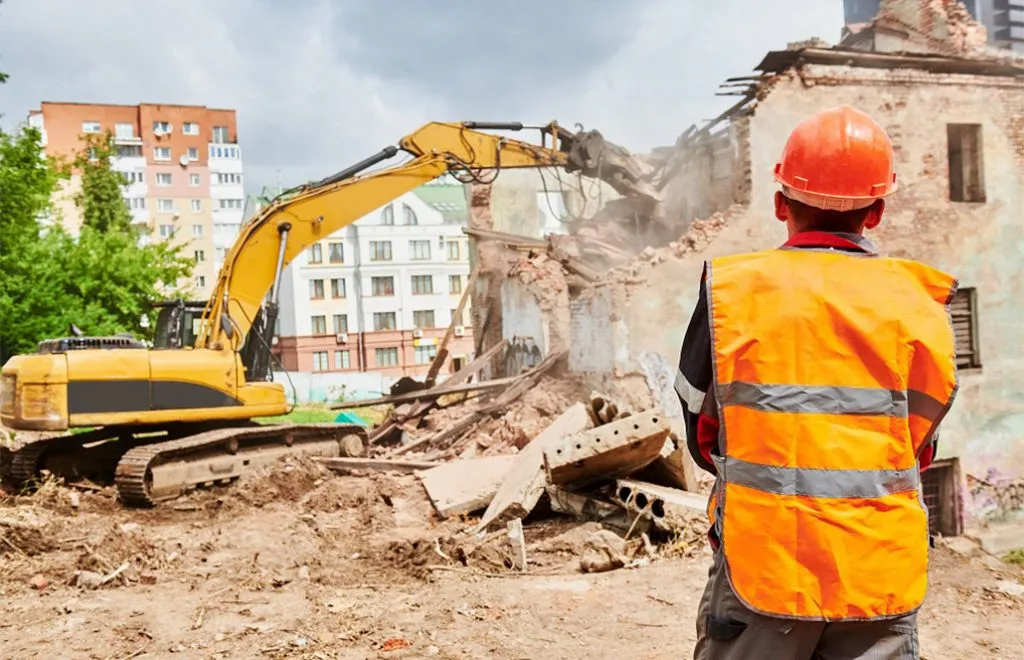
When a building is demolished, many people assume everything ends up in a landfill. In reality, modern demolition is a structured process where materials are sorted, recycled, reused, and responsibly disposed of.
If you’re planning a demolition project in Canada, understanding what happens to demolition waste can help you save money, comply with regulations, and reduce environmental impact.
Table of Contents
ToggleWhy Demolition Waste Management Matters
Construction and demolition (C&D) waste makes up a large portion of total waste in Canada. Proper waste management ensures:
- Reduced landfill usage
- Lower environmental impact
- Compliance with municipal regulations
- Cost savings through recycling
According to the Government of Canada, proper waste management plays a key role in reducing environmental damage and promoting sustainability:
👉 https://www.canada.ca/en/environment-climate-change/services/managing-reducing-waste.html
Types of Waste Generated After Demolition
Demolition projects produce several types of materials:
1. Concrete & Rubble
- Foundations
- Sidewalks
- Structural components
👉 These are often crushed and reused as aggregate.
2. Wood Waste
- Framing
- Flooring
- Beams
👉 Can be reused or repurposed in construction and design.
3. Metals
- Steel
- Copper
- Aluminum
👉 Highly recyclable and often sold as scrap.
4. Drywall & Insulation
- Partially recyclable
- Sometimes disposed depending on contamination
5. Hazardous Materials
- Asbestos
- Lead-based paint
- Chemicals
👉 These require specialized handling and disposal under Canadian regulations.
Step-by-Step: What Happens After Demolition?
1. Collection & Removal
After demolition, debris is collected using heavy machinery and transported to processing facilities.
👉 For professional handling, visit
👉 professional demolition services in Canada
2. Sorting & Separation
Materials are separated into categories:
- Recyclable materials (metal, concrete)
- Reusable items
- Hazardous waste
- General waste
👉 This step is critical for maximizing recycling efficiency.
3. Recycling Process
Recyclable materials are processed as follows:
- Concrete → crushed into aggregate
- Metal → melted and reused
- Wood → repurposed or processed
👉 Learn more in our detailed guide on
👉 recycling materials from demolition in Canada
The U.S. Environmental Protection Agency states that most construction and demolition debris can be recovered and reused efficiently:
👉 https://www.epa.gov/smm/sustainable-management-construction-and-demolition-materials
4. Reuse & Salvage
Some materials are directly reused:
- Doors and windows
- Fixtures and cabinets
- Bricks and masonry
👉 Salvaging materials reduces both costs and environmental impact.
5. Disposal (Final Step)
Only non-recyclable materials are sent to landfills.
👉 Modern demolition aims to minimize landfill waste as much as possible.
How Proper Waste Handling Saves Money
Efficient waste management can:
- Reduce landfill fees
- Lower transportation costs
- Generate revenue from scrap materials
👉 Want to estimate your project budget? Read
👉 house demolition cost in Canada
Environmental Impact of Demolition Waste
Improper waste handling leads to:
- Increased pollution
- Landfill overflow
- Resource depletion
Proper recycling helps:
- Conserve natural resources
- Reduce carbon emissions
- Support sustainable construction
👉 Learn more about global sustainability practices:
👉 https://www.worldgbc.org
Demolition Waste Regulations in Canada
Canadian municipalities enforce strict rules for:
- Waste disposal
- Recycling requirements
- Hazardous material handling
👉 Hiring professionals ensures full compliance with these laws.
Safety Considerations
Handling demolition waste can be dangerous without proper precautions.
👉 Read our safety guide:
👉 demolition safety checklist in Canada
Why Hire a Professional Demolition Company?
A professional demolition contractor ensures:
- Safe waste removal
- Maximum recycling efficiency
- Compliance with regulations
- Faster project completion
👉 Get expert help today:
👉 The Fix It Guys Demolition
Final Thoughts
Demolition waste doesn’t simply disappear—it goes through a detailed process of collection, sorting, recycling, reuse, and disposal.
By choosing eco-friendly demolition practices and working with experienced professionals, you can reduce costs, protect the environment, and ensure compliance with Canadian regulations.