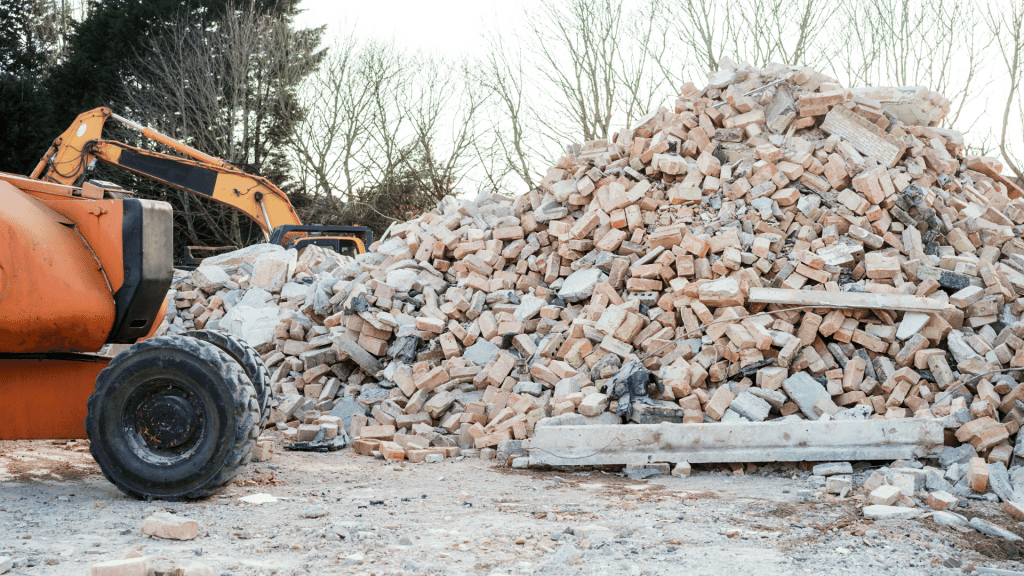
Demolition doesn’t have to mean waste. In fact, modern demolition is increasingly focused on sustainability, recycling, and material recovery. Whether you’re tearing down a residential property or a commercial building, a significant portion of materials can be reused or recycled instead of ending up in landfills.
In this guide, we’ll break down what materials can be reused from demolition, how the process works, and why it matters for both the environment and your budget.
Table of Contents
ToggleWhy Recycling Demolition Materials Matters
Construction and demolition waste accounts for a huge percentage of global landfill content. By recycling materials, you can:
- Reduce landfill waste
- Lower project costs
- Minimize environmental impact
- Comply with local regulations
- Contribute to sustainable construction practices
According to the U.S. Environmental Protection Agency (EPA), construction and demolition debris can often be recovered and reused efficiently rather than discarded.
What Materials Can Be Reused from Demolition?
Here are the most common materials that can be salvaged and reused:
1. Concrete
Concrete is one of the most recyclable demolition materials.
How it’s reused:
- Crushed into gravel or aggregate
- Used for road base or new construction
- Landscaping material
👉 Recycled concrete reduces the need for new raw materials and lowers project costs.
2. Wood
Wood from older structures is often high-quality and reusable.
Reusable wood includes:
- Beams and joists
- Flooring
- Doors and frames
Uses:
- Furniture
- Flooring
- Decorative finishes
3. Metals (Steel, Copper, Aluminum)
Metals are among the most valuable recyclable materials.
Examples:
- Steel beams
- Copper wiring
- Aluminum fixtures
👉 These materials can be melted down and reused indefinitely without losing quality.
4. Windows, Doors, and Fixtures
Many structural and decorative elements can be salvaged:
- Windows
- Doors
- Cabinets
- Sinks and bathtubs
These can be reused in renovation projects or resold.
5. Bricks and Masonry
Bricks can often be cleaned and reused in:
- New construction
- Landscaping
- Decorative walls
👉 Reclaimed bricks are popular for their vintage aesthetic.
6. Asphalt and Roofing Materials
- Asphalt shingles can be recycled into road materials
- Roofing components can be reused or repurposed
How the Demolition Recycling Process Works
Modern demolition involves more than just tearing down structures.
Step 1: Inspection & Planning
Contractors identify reusable materials before demolition begins.
👉 If you’re planning a project, check our guide on
👉 Things to Know Before Hiring a Demolition Contractor
Step 2: Deconstruction (Selective Demolition)
Instead of destroying everything, materials are carefully removed.
Step 3: Sorting & Separation
Materials are separated into categories:
- Wood
- Metal
- Concrete
- Hazardous waste
Step 4: Recycling & Redistribution
Materials are sent to recycling facilities or reused in new projects.
For more details on sustainable waste handling, you can refer to ****.
Cost Benefits of Recycling Demolition Materials
Recycling isn’t just good for the environment—it saves money too.
Benefits include:
- Lower disposal costs
- Reduced material purchasing costs
- Potential resale value of salvaged items
👉 Want to understand pricing better?
👉 Check: How Much Does House Demolition Cost?
Materials That Cannot Be Reused Easily
Not everything can be recycled. Some materials require special handling:
- Asbestos
- Contaminated materials
- Certain composites
These require professional removal to ensure safety and compliance.
Environmental Impact of Demolition Recycling
Recycling demolition materials helps:
- Reduce carbon emissions
- Conserve natural resources
- Promote sustainable construction
Sustainable demolition is becoming a key part of green building practices worldwide.
Why Choose Professional Demolition Services?
A professional demolition company ensures:
- Safe removal of hazardous materials
- Maximum material recovery
- Compliance with local regulations
- Efficient project completion
👉 Learn more about our services here:
👉 👉 Demolition Services in Your Area
Final Thoughts
Recycling materials from demolition is no longer optional—it’s essential. From concrete and metals to wood and fixtures, a large portion of demolition waste can be reused, saving money and protecting the environment.
If you’re planning a demolition project, working with an experienced contractor ensures that materials are handled responsibly and efficiently.
📞 Need Help with Demolition?
At TheFixItGuys, we specialize in efficient, eco-friendly demolition services.
👉 Contact us today to get a quote and start your project the right way.