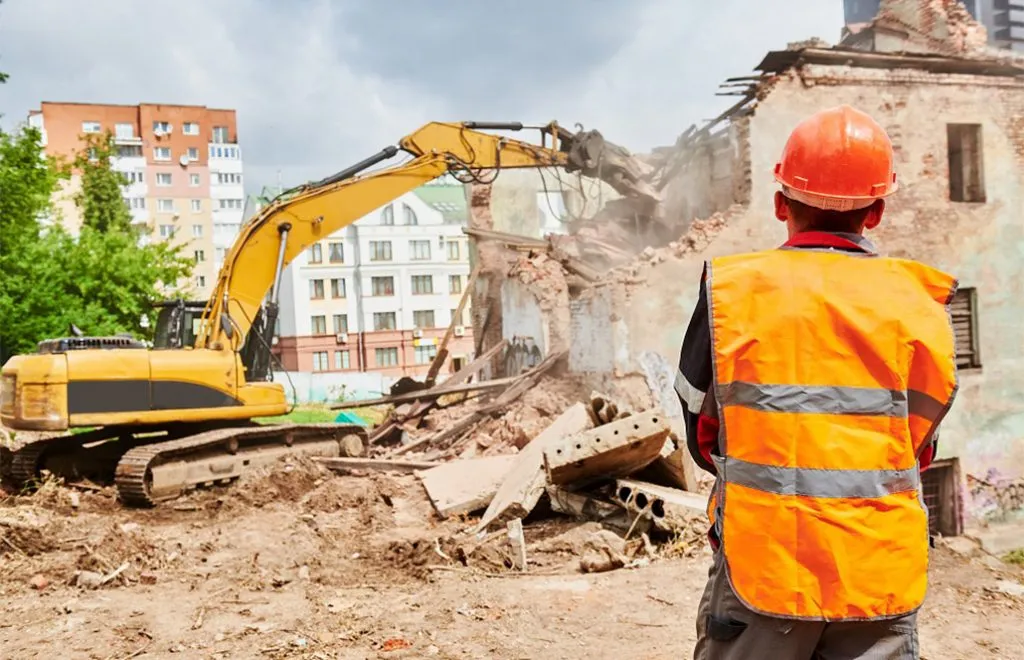
Demolishing a building, whether a small house, garage, or a larger structure is a big job. But rushing in without proper preparation can lead to delays, unexpected costs, even legal trouble. That’s why having a pre-demolition checklist is essential.
This guide breaks down everything you need to know—permits, utility disconnection, site prep, neighbour communication, contractor coordination, safety steps, environmental rules, and more.
If you want professional help with demolition services, you can visit TheFixitGuys for expert assistance.
Table of Contents
ToggleWhy a Pre-Demolition Checklist Matters?
Many Demolition projects fail or become costly because key steps are missed. Demolition work involves risks: structural collapse, hidden pipes, electrical lines, asbestos, hazardous waste, debris, and municipal regulations. A well-planned pre-demolition checklist protects:
- your property
- your neighbours
- the workers
- the environment
- your budget
- your project timeline
According to a 2025 industry report, the global demolition and construction-waste market is growing rapidly — with demolition contributing to roughly 35% of all construction and demolition waste annually.
Also, more and more homeowners are demolishing outdated homes instead of renovating — and municipalities are issuing thousands of demolition permits each year. For example, in 2022 alone in Canada, there were permits issued for the demolition of 11,988 residential dwelling units nationwide atwww.statcan.gc
1. Get the Required Demolition Permits
Before any demolition work starts, you must get the right permits from your city or municipality. Almost is usually the very first step in your pre-demolitation checklist. Almost a;; areas require a demolition permit, even for small buildings.
What Permit Offices Usually Ask For
- building plans or site plans
- property ownership documents
- contractor license & insurance
- asbestos or hazardous material reports
- environmental assessments (in some areas)
- demolition disposal plan
Why Permits Are Crucial
- Ensures work meets local safety codes
- Protects you from legal penalties
- Prevents project delays
- Helps coordinate with utility providers and public works
Check your local municipality website or contact a licensed demolition contractor who can handle the permit process for you.
2.Notify and Prepare for Utility Disconnections
Before demolition begins, every utility must be disconnected. Once you’ve got permits in motion or approved, the next big step is to shut off and disconnect all utilitie:
- Electricity – temporary poles may be installed for equipment use
- Gas or Propane – professional shutoff required to avoid explosions
- Water – prevents burst pipes and property flooding
- Sewer – capping may be required after disconnection
- Internet/Cable Lines – prevents damage to local infrastructure
- Phone Lines and Security System Wiring
Why is this so important?
Because failing to disconnect utilities can create severe safety hazards — risk of fire, gas leaks, flooding, or electric shock.
3. Notify Your Neighbours & Local Community/ Authorities
Demolition is noisy and disruptive. Most municipalities require notifying neighbours in advance, especially for residential areas.
Best Practices for Neighbour Notifications
- Provide notice at least 7–14 days before demolition
- Share expected demolition dates and timeframe
- Mention parking or street access changes
- Assure them that dust & safety controls will be used
If you want to maintain good neighbour relationships, and reduce risk of legal or civil complications.
4. Hire a Licensed & Insured Demolition Contractor
Choosing the right demolition contractor is one of the most important items on your pre-demolition checklist.
Look For:
- licensing & certifications
- liability & workers’ compensation insurance
- experience with your type of structure
- safety training & protocols
- written contracts
- proper equipment and staff
You can explore trained demolition professionals at demolition.thefixitguys if you want trusted, insured service in your area.
5. Conduct a Thorough Site Assessment
Before the demolition begins anything, assess the site carefully. This step helps avoid accidents and ensures compliance with safety regulations. Your site assessment should include.
- load-bearing walls
- structural weaknesses
- underground utilities or piping
- environmental risks
- accessibility for equipment
- unsafe zones
Your demolition contractor typically performs this and provides a step-by-step plan.
6. Check for Hazardous Materials (Mandatory Before Demolition)
Older buildings may contain dangerous materials that must be removed before any demolition starts. A certified inspector must check for:
What Inspectors Look For
-
- Asbestos (very common in pre-1990 buildings)
- Lead-based paint: often found in old walls, doors and windows.
- Mold and fungal growth: can be harmful to breathe.
- Chemical residues: from old cleaners, oils, or stored chemicals.
- Insulation hazards: some older types can be toxic.
- Contaminated soil: pollution in the ground around the building
Asbestos Must Be Removed First
If the inspector spots asbestos, licensed crews have to clear it out safely—think sealed suits and filtered masks—before any demolition can start. You can’t tear down a building that still has asbestos—it’s against the law and could leave you facing steep fines while workers choke on dust that burns their throats.
7. Plan Waste Disposal & Recycling
Municipalities often require a debris management plan. This includes:
- sorting recyclable materials
- safely disposing hazardous waste
- using approved landfill or recycling centres
- documentation of disposal
Materials like concrete, metal, bricks, and wood can often be recycled, reducing overall cost.
8. Secure the Site (Fences, Signs, Safety Barriers)
A demolition site must be fully secured to prevent accidental entry, injuries, and liability.
What You Need
- perimeter fencing
- warning signs
- locked gates
- barriers around hazards
- dust control setups
- traffic management plans (if near a road)
Failing to secure the site can lead to fines and legal issues, especially if someone gets hurt.
9. Create a Demolition Timeline
To keep your project organized, your pre-demolition checklist should include a detailed schedule. Here’s a sample timeline to give you an idea of how long each step may take.
| Step | Typical Duration |
| Permit application submission | 1 day |
| Permit approval & clearance (including environmental / asbestos check) | 2–8 weeks (varies by jurisdiction) |
| Utility disconnection scheduling and completion | Several days (depending on providers) |
| Neighbour notification / community notice period | Minimum 10 business days (or per local rule) ( |
| Site assessment & safety planning | 1–3 days |
| Waste & recycling plan + debris removal scheduling | 1–2 days planning, then ongoing during demolition and cleanup |
| Demolition & clean-up | Days to weeks depending on size and complexity |
| Final inspection & sign-off | 1–3 days (if required) |
10. Prepare the Inside of the Building
Before crews begin, you may need to remove personal belongings or fixtures you want to save.
Items You Might Remove First
- appliances
- furniture
- cabinets
- light fixtures
- windows or doors for salvage
- personal items
Anything left inside is treated as debris and will be demolished.
11. Confirm Insurance Coverage
Verify your demolition contractor has the proper insurance:
Your Contractor Should Have:
- General liability insurance covers accidents or injuries;
- Property damage insurance protects your building and anything close by.
- Workers’ comp helps if someone gets hurt swinging a hammer on site.
- Equipment insurance steps in when your demolition tools or machines take a beating.
Check Your Own Insurance Too
Your homeowner’s or builder’s insurance company may also need to know about the demolition in advance. Some policies require you to notify them before any major work starts.
12. Check Environmental Regulations
Some regions require compliance with:
- wildlife and habitat protections
- tree preservation rules
- soil contamination testing
- noise restriction hours
- dust suppression requirements
Ask your contractor or local municipality for region-specific rules.
13. Get a Final Inspection Before Demolition
After the prep work’s done—permits secured, power cut, hazards cleared, safety fence up—a final walk-through may be needed before the first wall comes down. That way, the site stays legal, feels safe, and is ready to go—like a freshly painted door that finally swings open without a squeak.
14. The Complete Pre-Demolition Checklist
| Category | What You Need To Do (Simple Steps) |
| Permits & Paperwork | – Get all required demolition permits – Submit structural and environmental reports – Show proof of your contractor’s insurance |
| Safety & Utilities | – Disconnect electricity, gas, water, and sewer – Cap or seal all utility lines – Remove propane tanks or fuel sources – Set up safety fencing, gates, and warning signs |
| Neighbours & Communication | – Tell your neighbours about the demolition – Notify nearby businesses or tenants – Coordinate with city services (waste, traffic, utilities) |
| Site Preparation | – Remove any items you want to keep – Test the building for hazardous materials – Clear trees, plants, or obstacles – Make sure machines can enter the site easily |
| Logistics & Disposal | – Arrange bins or containers for debris – Plan how materials will be recycled or disposed of – Confirm safe transportation routes for trucks |
| Final Steps | – Get a final pre-demolition inspection – Confirm the schedule with your contractor – Start demolition work |
15. Common Mistakes to Avoid Before Demolition
Many property owners accidentally:
- Don’t forget to shut off the gas and power,
- assume permits aren’t needed,
- ignore the neighbors,
- bring in crews without licenses,
- guess too low on hauling fees,
- or swing a hammer before testing for asbestos.
Avoiding these mistakes keeps your project smooth and stress-free.
FAQ — Frequently Asked Questions
Q: Do I always need a demolition permit?
A: In most cases, yes — especially for any structure that is more than a small shed or accessory building. But the exact rules depend on your local municipality. Some small accessory structures may be exempt.
Q: What utilities need to be disconnected before demolition?
A: Typically electricity, gas, water, sewer or septic, and any other services connected to the building (e.g. heating, internet cabling).
Q: Do I need to inform neighbours?
A: Yes — many jurisdictions require a notice period (e.g. 10 business days) before demolition. Doing so also builds goodwill and prevents disputes. Denvergov+1
Q: What if the building has hazardous materials like asbestos?
A: Then you must get a professional inspection and remediation before demolition begins. Many permit applications will require hazard reports to be submitted.
Q: What happens to demolition waste?
A: You need a waste removal plan. Many materials can be recycled (metal, wood, concrete, bricks). Hazardous materials must be handled per environmental regulations.
Conclusion
A pre-demolition checklist helps you stay organized and reduces risks. By securing permits, planning utility disconnections, notifying neighbours, hiring the right contractor, and preparing the site properly, you set the foundation for a smooth and successful demolition project.
Taking the time to follow each step will save you money, time, and stress—and protect everyone involved.
If you need demolition support or guidance, consider reaching out to a trusted contractor on demolition.thefixitguys to handle the process professionally.