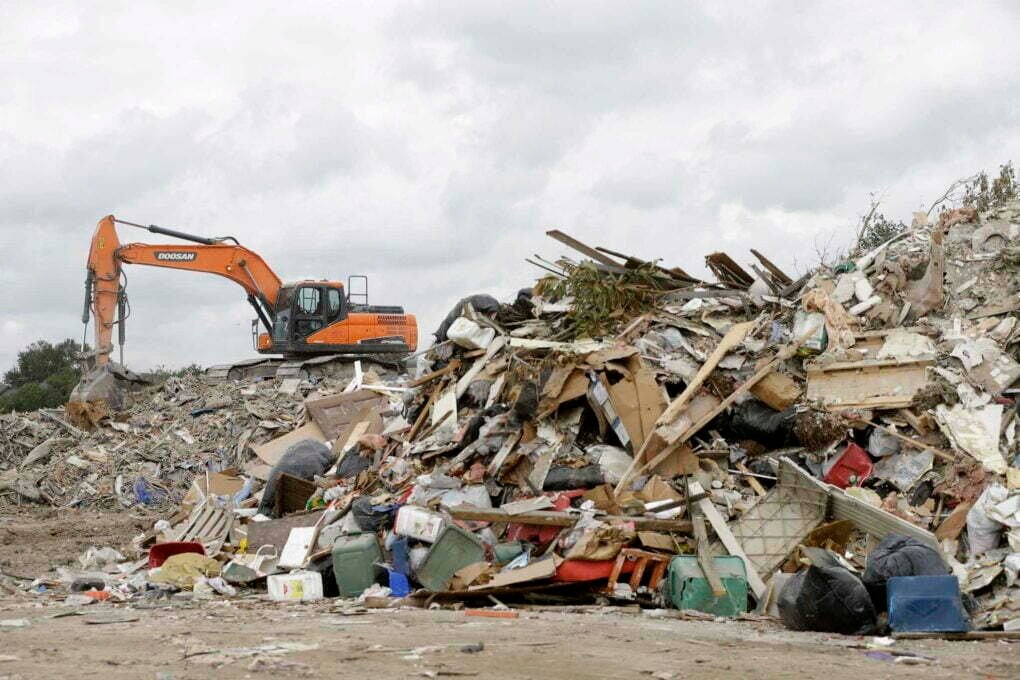
When it comes to demolition projects, whether you’re taking down a residential property, commercial building, or bridge structure, one critical element often determines the difference between a safe, successful project and a dangerous disaster: engineered demolition plans backed by thorough structural evaluation.
Gone are the days when demolition simply meant bringing in heavy equipment and knocking everything down. Modern demolition especially for complex structures requires the same level of engineering precision and care as building construction itself. In this comprehensive guide, we’ll explore why engineered demolition plans and structural evaluations are essential, what they entail, and how they protect workers, property, and the public.
Table of Contents
ToggleWhat Is an Engineered Demolition Plan?
An engineered demolition plan is a comprehensive document created by licensed structural engineers that outlines the precise strategy, sequence, and safety procedures for dismantling a structure. Unlike general demolition approaches based solely on contractor experience, these plans incorporate:
- Detailed structural analysis of the existing building
- Load path considerations at every demolition stage
- Weakening and strengthening calculations
- Sequential removal procedures
- Safety protocols and risk mitigation strategies
- Equipment specifications and placement requirements
Think of it as a blueprint for controlled destruction—a roadmap that accounts for how the structure will behave as each component is removed.
Why Structural Evaluation Is the Foundation of Safe Demolition
Before any demolition plan can be developed, a thorough structural evaluation must be conducted. This engineering survey examines:
Current Structural Condition
Engineers assess the integrity of all structural components including columns, beams, slabs, walls, and foundations. They identify areas of deterioration, damage, or weakness that could affect demolition safety.
Material Properties and Age
Older structures may contain archaic materials with different properties than modern construction. The evaluation documents material types, conditions, and any degradation that has occurred over the structure’s lifespan.
Existing Load Paths
Understanding how loads currently flow through the structure is crucial. As demolition progresses, these load paths change dramatically, and engineers must anticipate how the structure will redistribute forces at each stage.
Hidden Hazards
Structural evaluations uncover potential dangers such as unstable elements, undocumented modifications, pre-existing damage, or unusual structural configurations that require special consideration.
Adjacent Structure Impact
Engineers evaluate how demolition activities might affect neighboring buildings through vibration, debris impact, or removal of shared structural elements.
The Engineering Behind Controlled Demolition
Modern demolition engineering employs sophisticated analytical tools that previous generations couldn’t access. Today’s structural engineers use:
3D Structural Modeling
Engineers create detailed three-dimensional models of the entire structure, including all structural details—reinforcement, post-tensioned elements, connections, and even material defects. These digital models allow them to test demolition scenarios virtually before any physical work begins.
Nonlinear Dynamic Analysis
Advanced software simulates how structures behave under large displacements and high stresses—conditions common during controlled collapse or weakening operations. This analysis predicts the direction of collapse, debris spread patterns, and identifies potential failure modes.
Sequential Analysis
Engineers model each step of the demolition sequence, analyzing structural stability at every intermediate stage. This ensures that partially demolished structures remain stable enough to protect workers while being weak enough to allow safe, controlled removal.
Key Components of Professional Demolition Plans
A comprehensive engineered demolition plan includes several critical elements:
Demolition Sequencing
The plan specifies the exact order in which structural elements must be removed or weakened. This sequencing prevents uncontrolled collapse and ensures that the structure maintains adequate stability throughout the process.
Weakening and Strengthening Analysis
Sometimes structures need to be strategically weakened to facilitate controlled collapse. Other times, temporary strengthening or shoring is required to prevent premature failure. Engineers calculate precisely where and how much to weaken or strengthen at each stage.
Shoring and Support Systems
The plan details any temporary support systems needed to maintain stability during partial demolition. Licensed engineers must inspect and approve all shoring before demolition proceeds.
Equipment Specifications
Different demolition methods require different equipment—hydraulic breakers, high-reach excavators, pulverizers, shears, or specialized demolition attachments. The plan specifies appropriate equipment and where it can be safely positioned.
Debris Management
Engineers calculate anticipated debris footprints and falling patterns to establish safe zones and protect adjacent properties.
Safety Protocols
Detailed safety measures address worker protection, public safety, emergency procedures, and monitoring requirements throughout the demolition process.
When Are Engineered Demolition Plans Required?
While simple, isolated structures might be demolished based on contractor experience alone, engineered plans are essential for:
- Large or complex structures with unusual geometries, materials, or structural systems
- High-rise buildings where collapse patterns and debris spread are critical concerns
- Structures in dense urban areas where adjacent properties must be protected
- Bridges and infrastructure requiring sequential removal or controlled collapse
- Partially damaged structures from fire, earthquakes, or other events where stability is compromised
- Projects involving weakening techniques such as explosive demolition or controlled collapse
- Structures with unknown or deteriorated conditions where structural behavior is unpredictable
Additionally, OSHA regulations (specifically 1926.850) mandate that employers provide an engineering survey before starting demolition procedures for complex projects.
The Engineer’s Role Throughout Demolition
Unlike traditional building design where the engineer’s role often ends at construction completion, demolition engineers remain involved throughout the project:
Pre-Demolition Phase
- Conduct structural surveys and assessments
- Develop demolition methodology and sequencing
- Create detailed calculations and analysis
- Prepare stamped engineering plans for permit approval
- Review contractor proposals for compliance
During Demolition
- Provide on-site presence during critical phases
- Review and approve any plan modifications requested by contractors
- Monitor structural behavior and stability
- Respond to unexpected conditions or discoveries
- Ensure compliance with the approved demolition plan
Post-Demolition
- Verify complete removal of structural elements as planned
- Confirm site conditions meet project requirements
- Document lessons learned for future projects
The Cost of Skipping Professional Engineering
While some may view engineered demolition plans as an unnecessary expense, the consequences of inadequate planning can be catastrophic:
- Worker fatalities or injuries from uncontrolled collapse or structural failure
- Damage to adjacent properties from falling debris or vibration
- Project delays and cost overruns when unexpected conditions cause problems
- Regulatory violations and fines for non-compliance with safety requirements
- Liability exposure for contractors and property owners
- Public safety incidents endangering people in surrounding areas
The investment in professional structural evaluation and engineered demolition plans is minimal compared to the potential costs of accidents, delays, or disasters.
Choosing the Right Demolition Engineering Partner
When selecting an engineering firm for your demolition project, look for:
- Licensed Professional Engineers with specific expertise in structural deconstruction and controlled demolition
- Experience with similar structure types whether buildings, bridges, or specialized facilities
- Advanced analytical capabilities including 3D modeling and nonlinear analysis tools
- Understanding of demolition contractor operations and practical field constraints
- Track record of successful projects with safety-first outcomes
- Responsiveness and communication throughout the project lifecycle
- Comprehensive service offerings including structural surveys, plan development, contractor support, and on-site oversight
The Future of Demolition Engineering
As construction methods and materials continue to evolve, so does the complexity of demolishing modern structures. Advanced techniques such as:
- Building Information Modeling (BIM) integration
- Drone-based structural assessment
- Real-time structural monitoring during demolition
- Machine learning for predictive analysis
- Sustainable deconstruction for material reuse
These innovations are making demolition engineering more precise, safer, and environmentally responsible than ever before.
Conclusion: Engineering Makes Demolition Safer
Whether you’re planning to demolish a small building or a major infrastructure component, professional structural evaluation and engineered demolition plans are not optional luxuries—they’re essential safeguards that protect lives, property, and investments.
Controlled demolition requires understanding of advanced structural engineering principles including load paths, member capacities, non-linear behavior, and post-yield material performance. Just as you wouldn’t construct a complex building without detailed engineering plans, you shouldn’t demolish one without the same level of professional expertise.
By partnering with experienced demolition engineers, you ensure that your project proceeds safely, efficiently, and in full compliance with regulatory requirements. The result is a controlled, predictable process that minimizes risk and maximizes success.
Ready to discuss your demolition project? Contact qualified structural engineers early in your planning process to ensure your demolition is executed with the precision, safety, and professionalism it demands. Your workers, neighbors, and bottom line will thank you.
For professional demolition services, visit: https://demolition.thefixitguys.ca