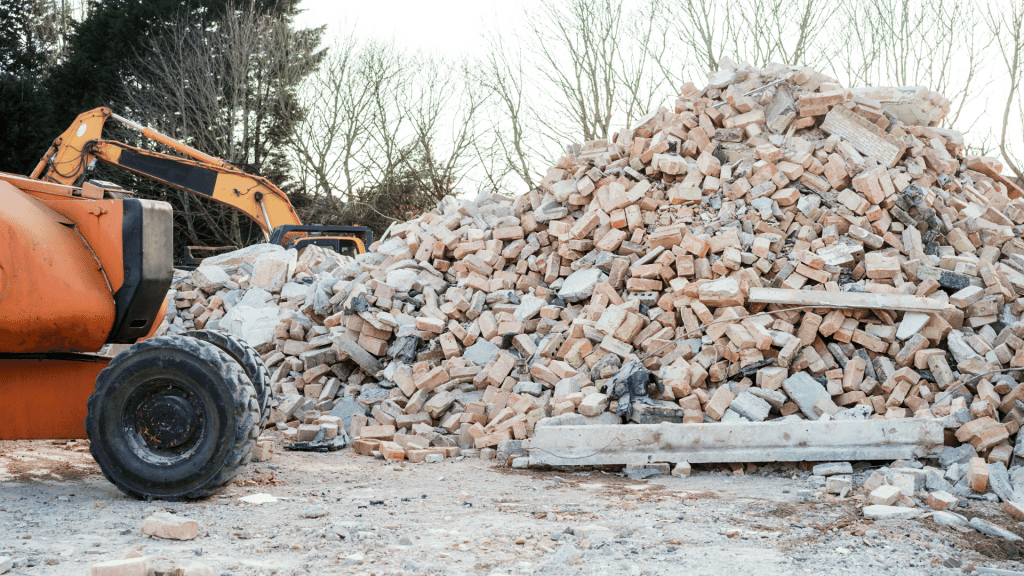
When a building reaches the end of its life cycle, the decision to tear it down can be a difficult one. Homeowners, contractors, and developers are often faced with two choices: deconstruction or demolition. While demolition is often seen as the go-to method for clearing structures, deconstruction offers a more sustainable alternative, especially when it comes to salvaging valuable materials. In this blog post, we’ll explore the key differences between deconstruction and demolition and highlight the benefits of salvaging materials in Toronto’s construction industry.
Table of Contents
ToggleWhat is Demolition?
Demolition refers to the complete destruction of a building or structure, usually through mechanical means like wrecking balls, explosives, or bulldozers. This method is fast, efficient, and often cheaper than deconstruction. However, demolition typically results in a large amount of waste that ends up in landfills.
Pros of Demolition:
- Speed: Demolition is quicker compared to deconstruction, often completed in a matter of days.
- Cost-effective: Due to the simplicity of the process, demolition can be less expensive than deconstruction.
- Simplified Process: Requires less labor and expertise than deconstruction, making it ideal for smaller projects with fewer environmental concerns.
Cons of Demolition:
- Waste Generation: Most materials are destroyed, and any reusable materials are lost, leading to environmental waste.
- Environmental Impact: Demolition produces a significant amount of dust, noise, and debris, making it less eco-friendly.
- Lost Value: Valuable materials like wood, metal, and bricks are typically discarded instead of being repurposed or recycled.
What is Deconstruction?
Deconstruction is the careful dismantling of a building in a way that allows valuable materials to be salvaged and reused. Unlike demolition, deconstruction involves manually removing components like doors, windows, hardwood flooring, beams, and even bricks for future reuse or resale. This process takes more time and requires more labor but can result in significant cost savings if valuable materials are recovered.
Pros of Deconstruction:
- Eco-friendly: Deconstruction reduces the environmental impact by recycling and repurposing building materials. Many materials that would otherwise go to the landfill can be reused, reducing waste.
- Cost Savings: Salvaged materials can often be reused in future construction projects, saving money on new building materials.
- Preserves Historical Materials: In cases of older buildings, deconstruction allows for the preservation of architectural elements and materials that may have historical or aesthetic value.
- Creates Local Jobs: Deconstruction typically requires skilled labor, creating job opportunities in the community.
Cons of Deconstruction:
- Time-Consuming: Deconstruction is a slow process, often taking weeks instead of days.
- Higher Costs: The labor and expertise involved in deconstruction can make it more expensive than demolition, particularly for large-scale projects.
- Logistics and Storage: Salvaged materials require proper storage and sorting, adding complexity to the process.
Why Salvage Materials? The Benefits of Reusing and Recycling
Salvaging materials during the deconstruction process offers numerous benefits, both for the environment and for the economy. Here are a few reasons why salvaging valuable materials from buildings is crucial:
- Environmental Protection: Salvaging materials helps reduce the carbon footprint of new construction. By reusing bricks, wood, and metal, you’re preventing the need to extract and process new raw materials, which can have a significant environmental impact.
- Cost Savings: The savings from reusing materials can offset some of the costs of deconstruction, making it a more cost-effective option in the long term.
- Supporting Local Economies: Salvaged materials can be sold to local builders, architects, or homeowners who prefer sustainable materials for their projects.
- Reducing Landfill Waste: Construction waste is a significant contributor to landfills. By reusing materials, we can divert a large amount of waste from the waste stream, keeping our landfills less crowded.
When to Choose Deconstruction Over Demolition
While demolition is ideal for projects that require speed and lower costs, deconstruction is the better choice for projects that emphasize sustainability, environmental responsibility, and long-term savings. Here are some scenarios where deconstruction might be the best option:
- When Sustainability is a Priority: If your project is aiming for LEED certification or other environmental standards, deconstruction helps meet these criteria.
- When Valuable Materials are Present: If the building is made of high-quality wood, vintage bricks, or other valuable materials, deconstruction allows you to salvage these items for reuse.
- When Historical Preservation is Important: For heritage buildings, deconstruction can preserve the integrity of the structure and allow you to retain architectural elements.
- When Reducing Waste is Crucial: If your project wants to reduce its environmental impact and avoid adding to landfills, deconstruction offers an eco-friendly alternative.
Conclusion: Choosing the Right Method for Your Project
Both deconstruction and demolition have their places in construction and renovation projects. If your primary goal is to salvage valuable materials, protect the environment, and reduce waste, deconstruction is the way to go. On the other hand, if you need a fast, cost-effective solution for clearing a structure, demolition may be more suitable.
At TheFixItGuys, we specialize in demolition services, helping you make the best decision for your project. Whether you’re looking to clear space quickly or salvage valuable materials, our team is here to assist you in every step of the process. Contact us today to learn more about our eco-friendly demolition and deconstruction services in Toronto.